
Building Science Basics
As building codes become more rigorous and enclosure technologies advance, today’s homes and buildings must meet significantly higher performance standards. These include:
These features don’t operate independently—they interact as part of an integrated system. Without a solid understanding of how they work together, it’s easy to run into unintended consequences such as moisture problems, comfort issues, inefficiencies, or premature wear of building components.
How these features interact and work together – or against each other—are the fundamental building blocks of building science. Energy Advisors are trained in the fundamentals of building science, and can offer insight into the expected performance of a home and provide guidance to ensure your final result is a comfortable, healthy, safe and durable space for everyone.
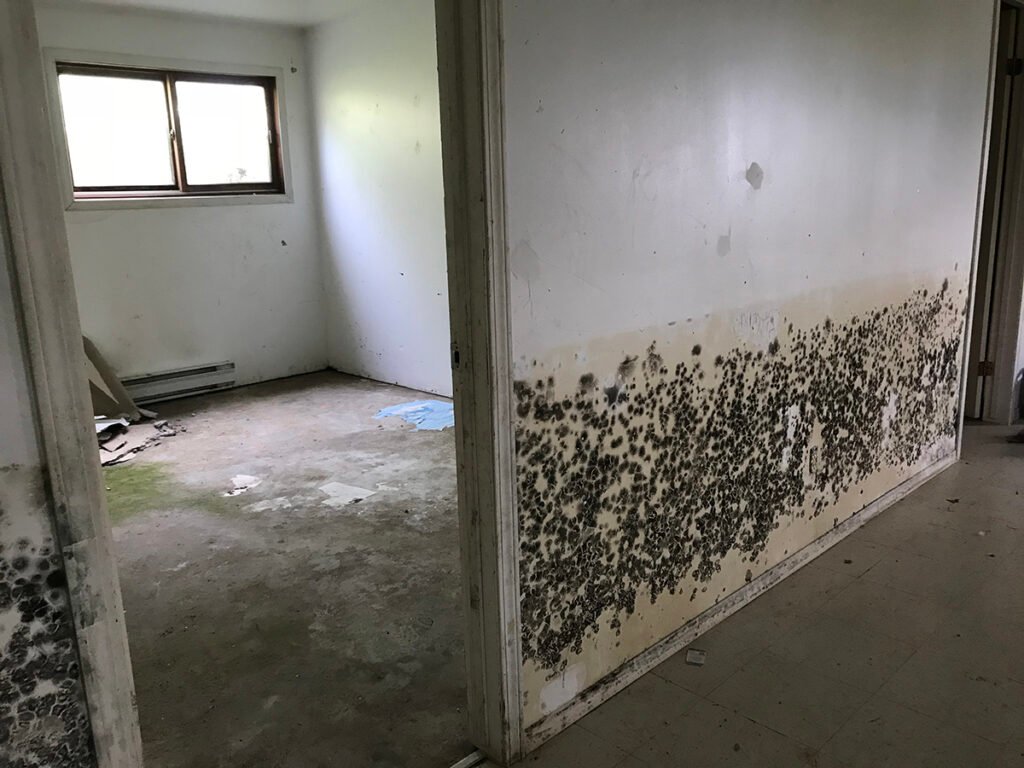
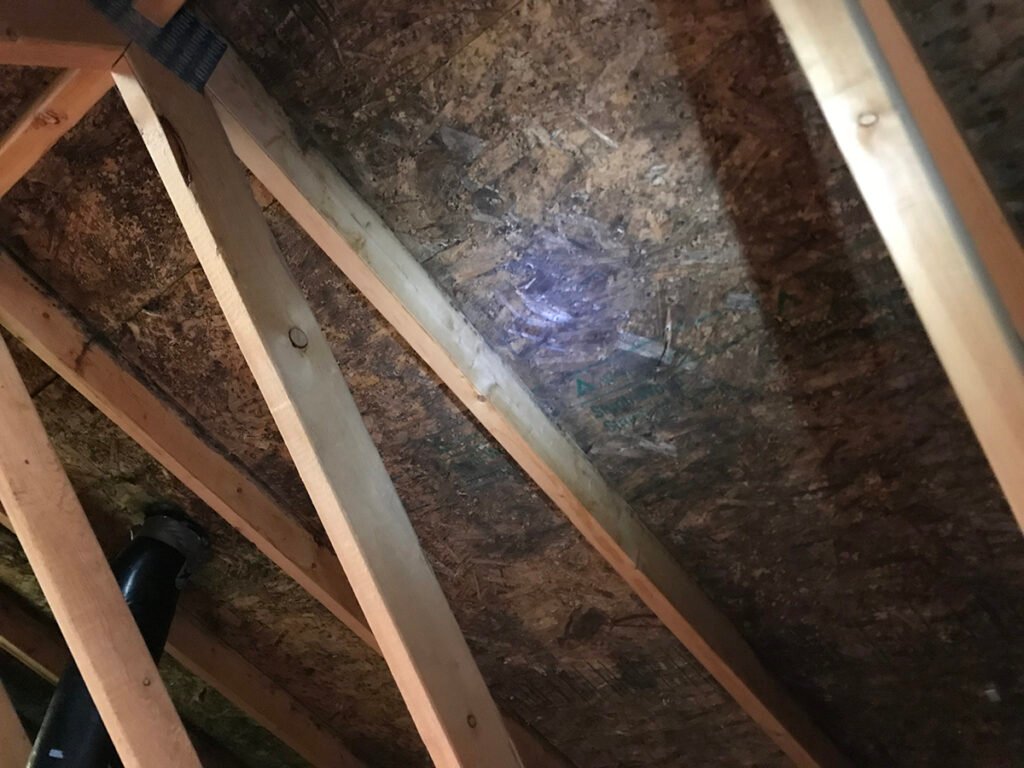
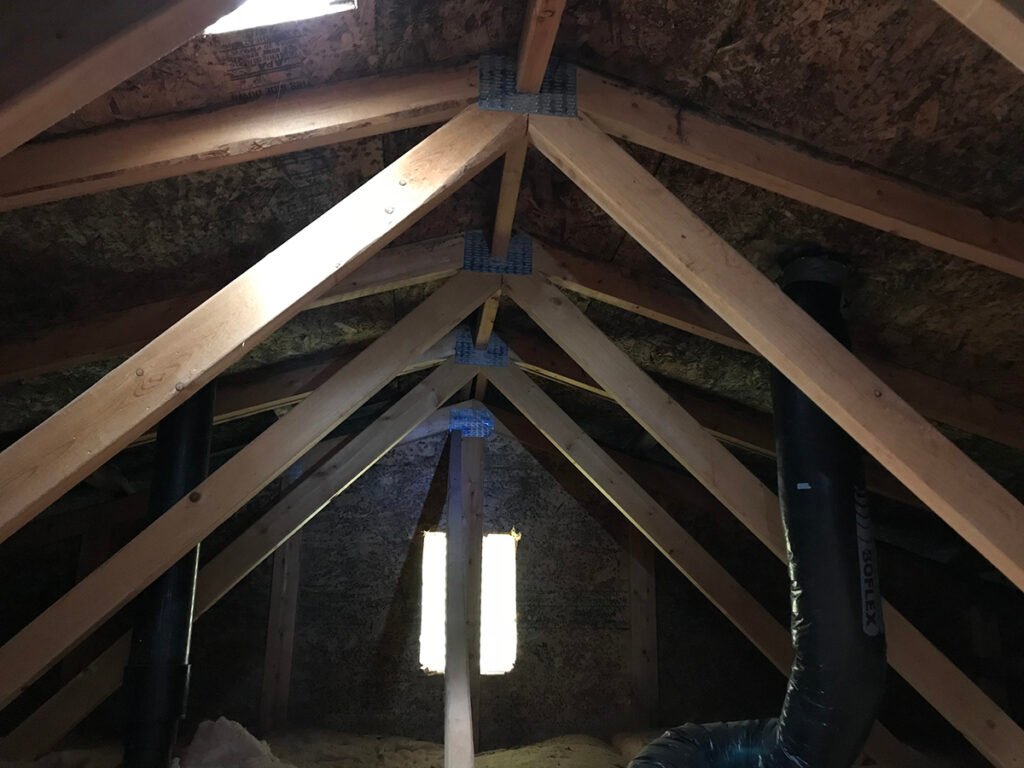
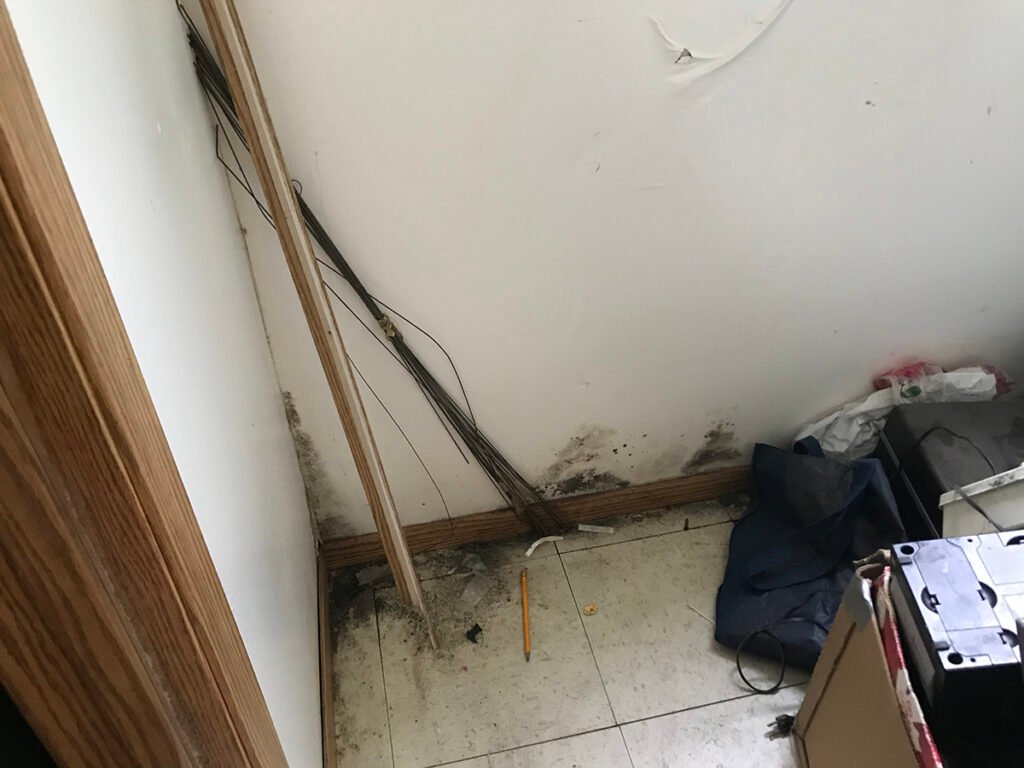
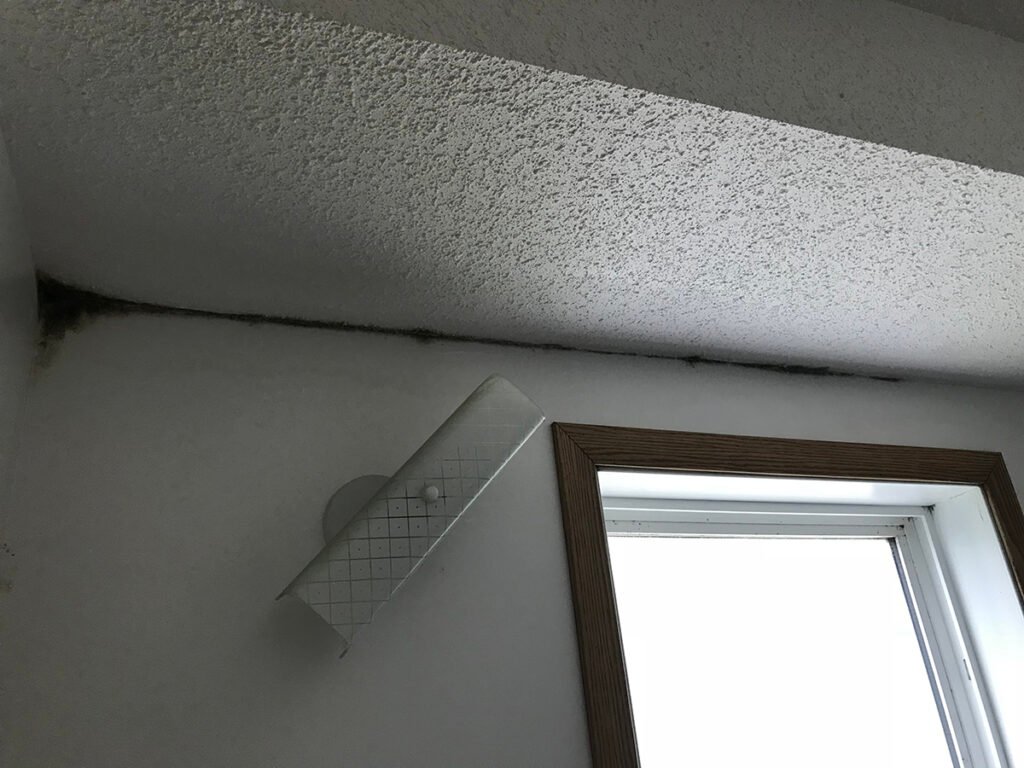
Photo credit Alison Conroy
What Is Building Science?
Building science is the study of how heat, air, moisture, and energy move through buildings. It helps us design, build, and maintain homes and structures that are:
With this knowledge, professionals can make informed decisions, avoid costly mistakes, and deliver higher-performing buildings.
Here’s Why Building Science Matters—In Simple Terms:
1. Protects Health and Comfort
Poor design can lead to mold, drafts, poor indoor air quality, and uncomfortable indoor temperatures.
2. Reduces Energy Costs
Heating and cooling are major household expenses.
3. Prevents Damage
Moisture is one of the greatest threats to buildings.
4. Supports Sustainability and Climate Action
Buildings contribute significantly to greenhouse gas emissions.
5. Leads to Smarter Construction and Renovations
Builders and renovators need to make informed choices—about materials, insulation, mechanical systems, and ventilation.
6. Promotes the “House-as-a-System” Approach
All parts of a home—walls, windows, HVAC, insulation—are interconnected.
In short, whether you’re doing a small upgrade to your home or you’re a diligent new home builder, EAs can provide the building science guidance which is critical to creating homes that perform better—for people, the environment, and the future.
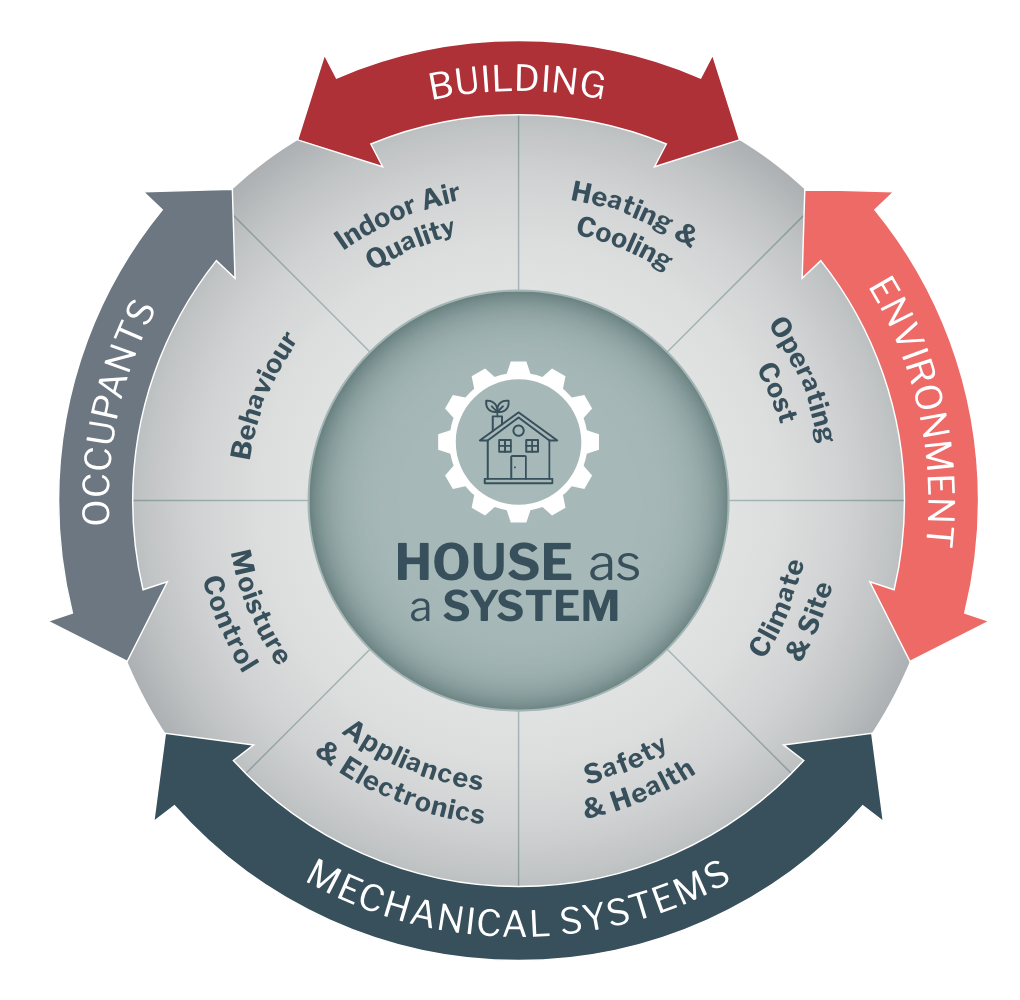
What is “House-as-a-System”?
Think of your house like a human body. All the parts—like the walls, roof, windows, heating system, and even the people living in it—work together as one big system. If you make a change in one area, it can affect everything else.
Key Principles:
- Everything is Connected
When you change one thing in your home—like adding insulation or replacing windows—it affects air movement, moisture, and even how your heating or cooling system works. Just like how fixing one part of your body can affect the rest. A change in one part of the “system” can have a significant impact on the health, safety and comfort of the occupants, and energy efficiency and durability of the building. - Air Flow Matters
Air leaks and drafts don’t just make you uncomfortable—they can carry pollutants or moisture and cause mold or damage. Proper air sealing helps control where air comes in and out of the house. - Moisture Needs Control
Moisture from cooking, showers, or even breathing needs somewhere to go. Without good ventilation, it can build up and lead to mold or rot. - Comfort and Efficiency Go Hand-in-Hand
A well-designed home HVAC system keeps temperatures consistent, uses energy wisely, and saves money on your utility bills. - Health and Safety Are a Priority
A healthy home has good air quality, proper ventilation, and no backdrafting of dangerous gases from fossil-fuel burning appliances or mechanical systems.
In short, a house isn’t just a bunch of separate parts—it’s a living system. Smart upgrades consider how those parts interact, so you improve comfort, energy efficiency, and durability all at once.